Monsters Aren't Supposed to Look Like This
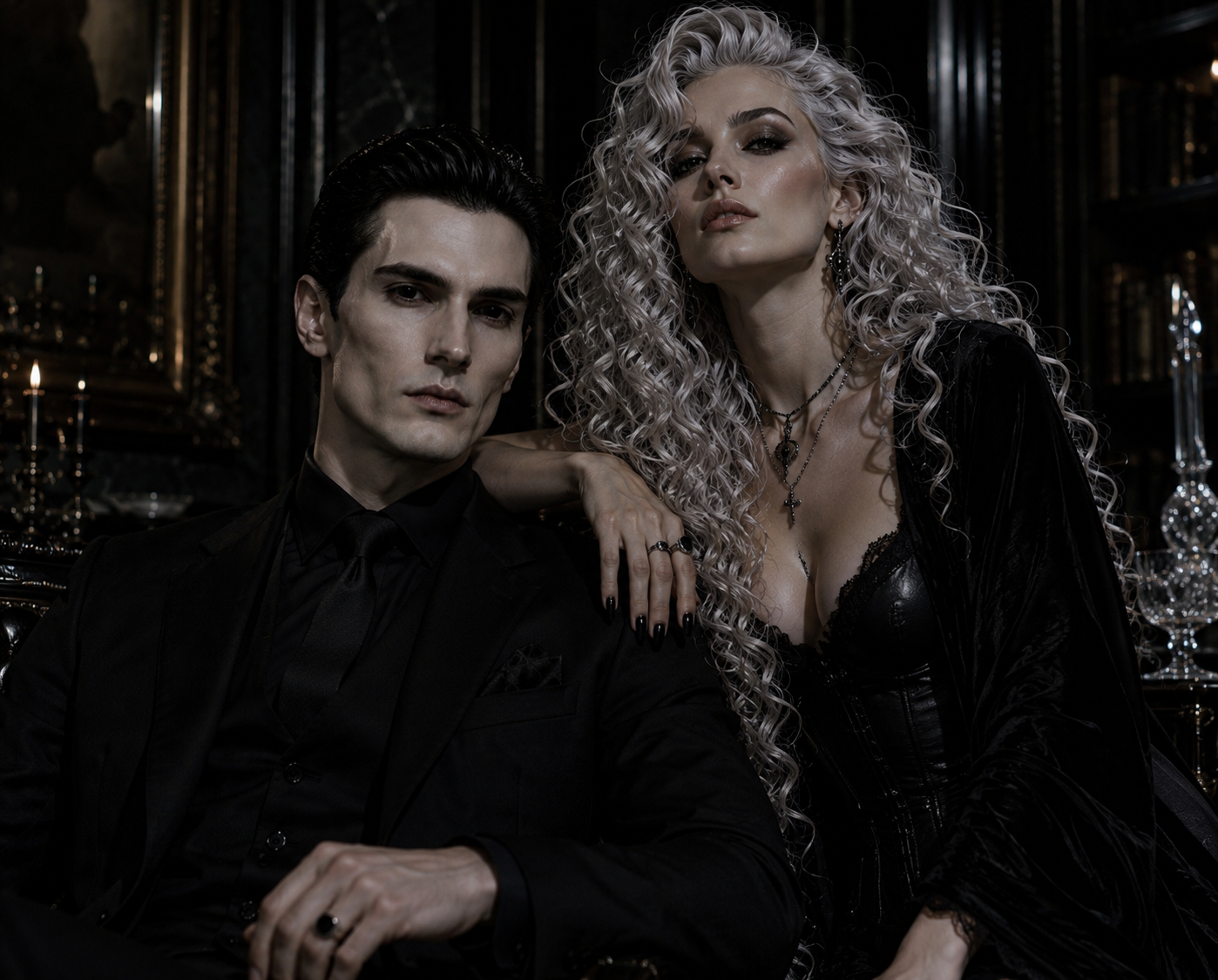
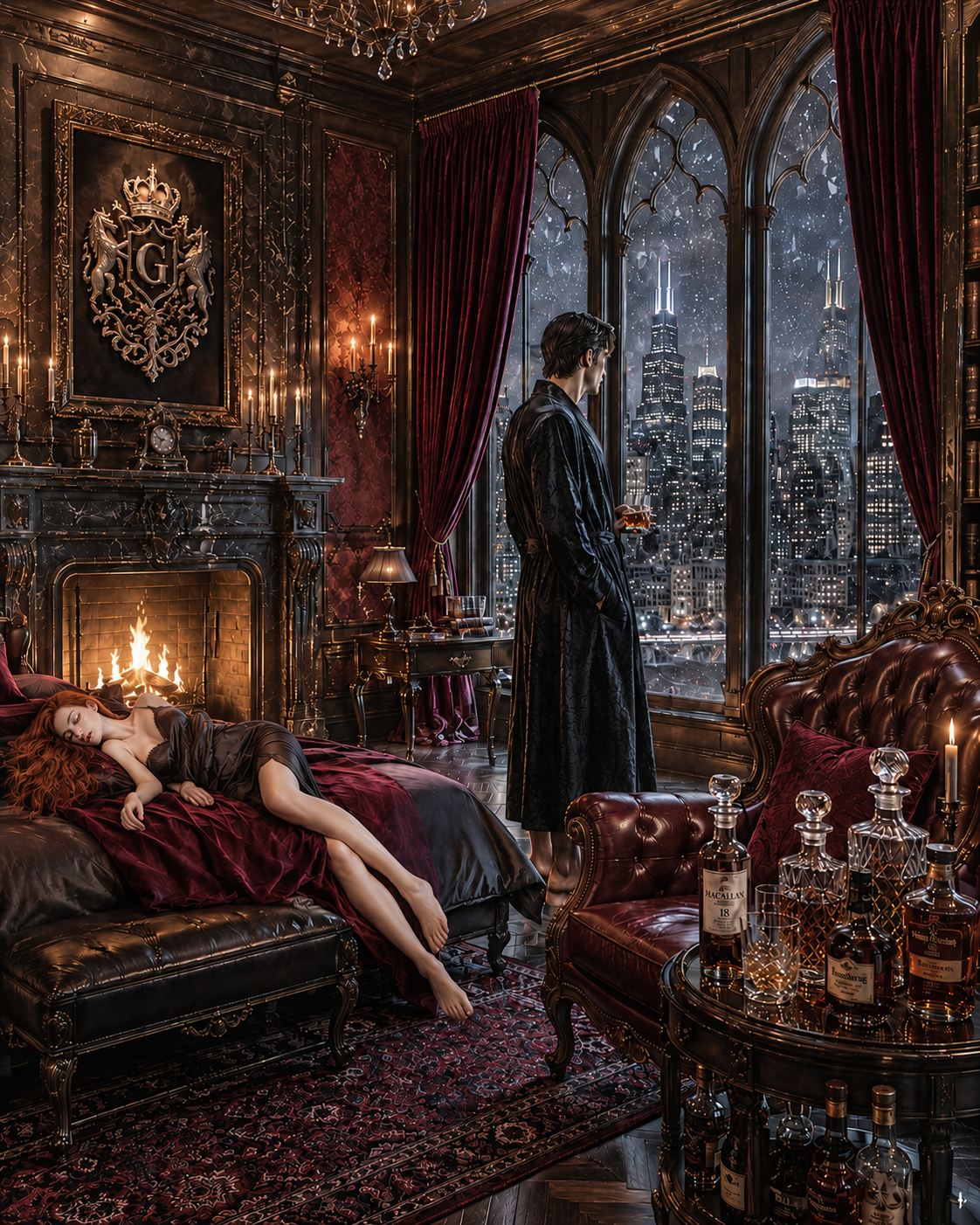
The monsters of The Kalos Chronicles don't look like monsters. Antonia Portage offers a glimpse at the beautiful, sophisticated predators hiding inside Grey House—and why recognizing one may already be too late.

We like our monsters recognizable.
There is something reassuring about that. Give them fangs, claws, glowing eyes or a face that tells us immediately to run, and at least we know where we stand.
The Kalos don't offer that courtesy.
One of the things I wanted when I began building The Kalos Chronicles was a predator that could exist in our world without requiring everyone around it to be remarkably stupid. If something has lived beside humanity for thousands of years without being discovered, it cannot spend those thousands of years behaving like a monster.
It has to learn how to live among us.
And the Kalos have had a very long time to learn.
They own homes and businesses. They employ people. They contribute to the communities around them. They can be generous, charming, beautifully mannered and extraordinarily attentive. Some of them are capable of making a human feel safer in their presence than anywhere else.
None of this changes what they are.
In fact, much of it exists because of what they are.
Predators in nature rarely survive by announcing themselves to their prey. They rely on patience, opportunity, camouflage and an understanding of what the animal in front of them is likely to do next.
The Kalos have something even more useful.
They understand us.
They have watched humans for generations. The oldest among them have had centuries to learn what attracts us, what reassures us, what frightens us, what makes us feel important and what makes us want to come closer when perhaps we shouldn't.
A younger Kalos may have all of the biological advantages of his species and very little idea what to do with them.
An older one has practice.
Four hundred years of it, in Lord Grey's case.
That doesn't mean every kindness is false or every pleasant interaction is some elaborate hunting strategy. The Kalos are more complicated than that, and I think they become much less interesting if every gesture can be reduced to deception.
They can genuinely enjoy humans. They can protect them. They can become fond of them. They can give someone a job, solve a problem, offer comfort or provide a life that person may have every reason to value.
The uncomfortable part is that none of those things prevent the Kalos from also being predators.
Perhaps that's why I've never been particularly interested in making them visibly monstrous.
A monster standing in a dark alley is easy.
You run.
But what if he owns the building?
What if everyone who works there likes him?
What if he gives generously to charity, knows exactly how you take your coffee and makes you feel as though you've finally met someone who sees you?
What if walking away is the last thing you want to do?
That is much closer to the kind of monster I wanted for Grey House: The Feeding.
Because sometimes the most dangerous thing about a predator isn't that you failed to recognize it.
It's that by the time you do, you may already want to stay.
— Antonia Portage
Grey House: The Feeding, Book One of The Kalos Chronicles, is coming January 6, 2027.
Explore Topics
Written by
Antonia Portage
Antonia Portage writes adult urban fantasy. The Kalos Chronicles is her debut series — dark, predatory, and set in a world where the most dangerous things have always been hiding in plain sight.
Before the novel arrives
Read the free preview
The prologue and first three chapters of Grey House: The Feeding — free, no strings. See what the Kalos are before the book drops in January.
Get the free story